


The cost of living in Lithuania depends largely on the city, housing choice and personal lifestyle. In Vilnius, a single person should typically budget around €900-€1,500 per month for essential expenses, including rent, utilities, groceries, transport and basic leisure. In smaller cities such as Kaunas, Klaipėda, Šiauliai or Panevėžys, monthly living costs can be noticeably lower, especially when it comes to rent. Overall, Lithuania remains more affordable than many Western European countries, while still offering strong infrastructure, public services and a good quality of life.

Cost of living & quality of life in Lithuania
Last updated: October 8, 2026
Overview of living in Lithuania
For anyone considering moving to Lithuania in 2026, the country offers a strong mix of affordability, safety, career opportunities and quality of life. As one of the Baltic states and a member of the EU, Lithuania has become increasingly attractive to expats, investors and international companies looking for a well-connected base in Europe.
Life in Lithuania combines modern city living with easy access to nature, green spaces and a slower, more balanced lifestyle compared to many larger European capitals. Vilnius and Kaunas are the most popular cities for foreigners, offering international communities, reliable infrastructure, fast internet, coworking spaces, restaurants, cultural events and growing job markets.
The overall quality of life in Lithuania is supported by accessible healthcare, good public services, improving salaries and a relatively affordable cost of living in Lithuania compared to many other European countries.
For foreigners living in Lithuania, integration is made easier by the widespread use of English, especially in Vilnius, Kaunas and Klaipėda. The country’s digital infrastructure, business-friendly environment and growing international talent pool also make it attractive for entrepreneurship, business in Lithuania and hiring in Lithuania.
You can get more information about all available services and first steps to take here: Home | International House Vilnius (ihvilnius.lt)
Cost of living in Lithuania overview

© A. Aleksandravičius
When considering a move to Lithuania, it’s important to understand the cost of living. Compared to Western European countries, Lithuanian cost of living is generally lower. However, there are differences depending on the city you choose to live in. For example, living costs in Vilnius, the capital, are higher than in smaller cities like Klaipėda or Šiauliai.
On average, a person needs between €800 and €1,300 per month to cover essential expenses, including housing, utilities, food, and transportation. While it may be more expensive in urban centers, the cost of living in Lithuania remains affordable for most expats and locals alike.
Is it expensive to live in Lithuania? The answer depends on your lifestyle. While basic costs are lower than in Western Europe, luxury goods and services may be on par with or even higher than in other EU nations.
Living expenses in Lithuania: monthly costs
Breaking down the cost of living in Lithuania per month offers a clearer picture of the major expenses you should expect. Housing is often the biggest expense, especially in Vilnius. In the capital, a one-bedroom apartment in the city center may cost around €600 to €900 per month, whereas in smaller cities, you might find similar apartments for as low as €300 to €500.
Utilities (including electricity, heating, and internet) generally add another €120 to €180 per month. Groceries are relatively inexpensive, with most households spending around €250 to €450 on food monthly.
For living costs in Vilnius, expect to pay slightly more than the national average. In contrast, the average cost of living in Lithuania outside major urban centers is noticeably lower, making it a more attractive option for those seeking affordability.
Food prices and culture in Lithuania
Lithuania’s food culture is deeply rooted in tradition, with hearty dishes like cepelinai (potato dumplings) and šaltibarščiai (cold beet soup) being popular across the country. Dining out is affordable compared to Western European standards, with a typical meal at a mid-range restaurant costing about €12 to €18 per person.
In terms of food prices in Lithuania, groceries are reasonably priced. For instance, a liter of milk or a loaf of bread costs around €1.30. Lithuania food prices for meat, fruits, and vegetables are also affordable, though imported goods may be more expensive. Overall, living expenses in Lithuania related to food are manageable for most budgets.
Housing and rent prices in Lithuania
© N. Tukaj
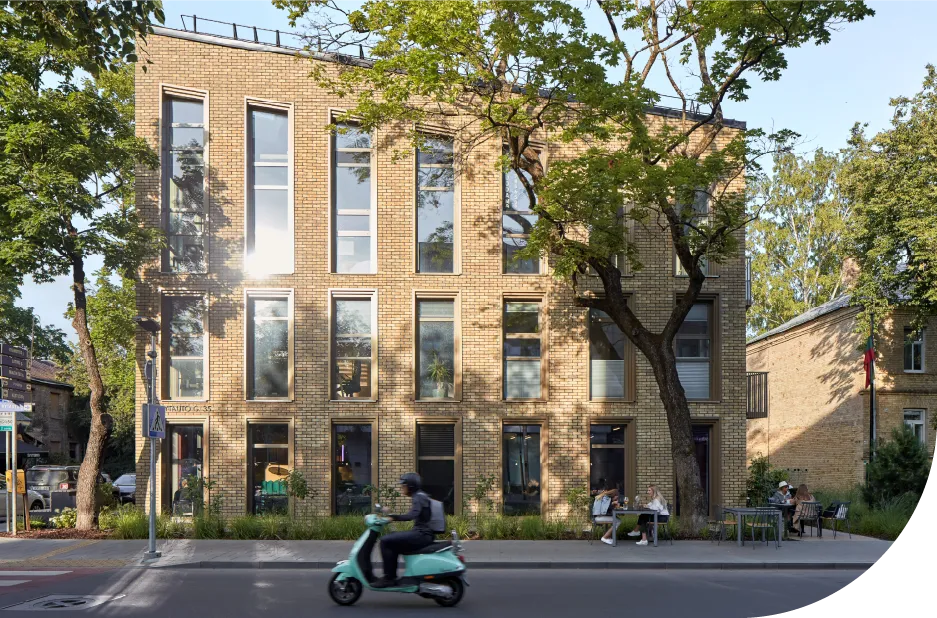
The Lithuanian housing market has seen growth in recent years, with a mix of old Soviet-style apartments and modern developments catering to different income levels. Lithuania house prices vary based on location and property type. In Vilnius, average apartment prices are around €2,800–€3,000+/sq. m, with central or new-build properties often higher.
Rent costs in Lithuania are also affected by location. As mentioned earlier, renting in Vilnius can be more expensive, but in smaller towns, prices drop significantly. This affordability factor makes Lithuania an attractive destination for long-term investors, as demand for rental properties, especially in urban areas, remains steady.
Salaries and income in Lithuania
Understanding salaries in Lithuania is crucial when evaluating the overall cost of living. The average salary in Lithuania is around €2,411 gross per month, but this can vary by industry and position. Tech jobs, for example, often pay more, with professionals in this field earning upwards of €3,300 per month.
The minimum wage in Lithuania is currently set at €1,153 per month (before tax), or approximately €880 net. For hourly workers, the minimum wage per hour stands at about €7.05. These wages, while modest, are sufficient to cover living expenses in Lithuania for most residents, particularly outside the capital.
For expats and higher-level professionals, a good salary in Lithuania would be around €2,500 to €3,500 per month, allowing for a comfortable standard of living.
Transportation costs in Lithuania
© A. Aleksandravičius
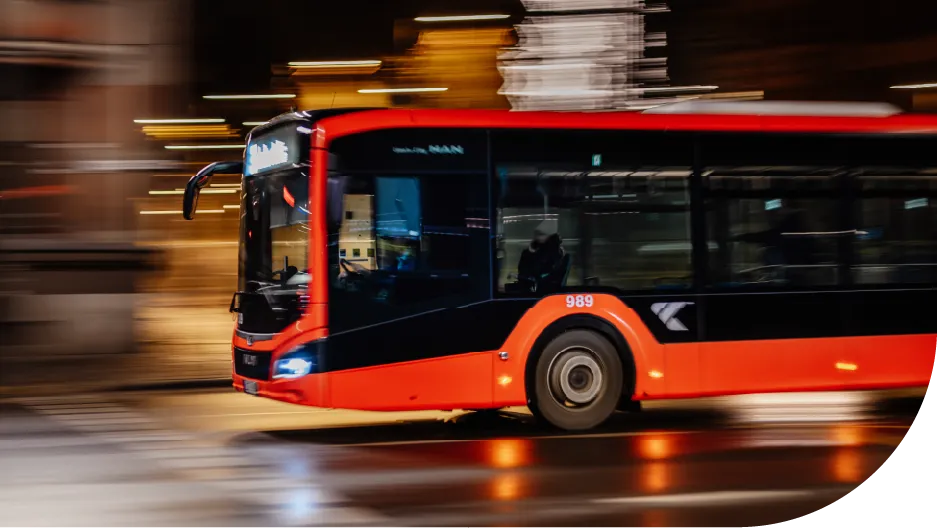
Lithuania’s transportation system is reliable and affordable. Public transport in cities like Vilnius and Kaunas is extensive, with a monthly pass costing around €35. Taxis and ride-sharing services are widely available, but they can be more expensive during peak hours.
Owning a car is common, and fuel prices hover around €1.45-1.70 per liter. Transportation costs in Lithuania are generally low, making it easy to get around both urban and rural areas.
Is Lithuania a good place to live?
For many, the answer is yes. Lithuania combines a relatively low cost of living, rich cultural heritage, and modern infrastructure, making it an attractive option for both investors and expats.
While it may not have the same international allure as larger Western European nations, the standard of living in Lithuania is high, especially given the country’s affordability. Investors looking for opportunities in real estate, technology, or other growth sectors will find Lithuania to be a stable and promising market.
Of course, Lithuania also has its challenges. Harsh winters, a smaller market size, and a population that primarily speaks Lithuanian outside major cities can be obstacles for some. However, the country’s strong economic growth, favorable business climate, and increasing international presence make it a destination worth considering.
FAQ
-
How much does it cost to live in Lithuania per month?
-
What is the average salary in Lithuania in 2026?
By the end of 2025, average monthly wages reached around €2,500 gross, while the average net salary was approximately €1,500. For 2026, the full-year average salary will depend on wage growth throughout the year, but Lithuania’s labour market remains strong, especially in sectors such as IT, fintech, finance, engineering and shared services. The minimum monthly wage in Lithuania in 2026 is €1,153 gross, with a minimum hourly rate of €7.05.
-
Is Lithuania a good place to live for foreigners?
Yes, Lithuania is increasingly considered a good place to live for foreigners, especially for professionals, entrepreneurs, students and families looking for a balance between career opportunities and quality of life. The country offers EU membership, a safe living environment, modern digital services, fast internet, accessible healthcare and a growing international community. Vilnius and Kaunas are particularly popular among expats due to their job markets, English-speaking services, cultural life and international schools.
-
Do people speak English in Lithuania?
Yes, English is widely spoken in Lithuania, especially among younger people and in major cities such as Vilnius, Kaunas and Klaipėda. Foreigners can usually manage everyday situations in English in workplaces, restaurants, cafés, hotels, coworking spaces and public-facing services. Outside larger cities, English may be less common, and learning a few Lithuanian phrases can be helpful for smoother integration and day-to-day communication.
-
Is the Lithuanian economy good?
Lithuania has a resilient and growing economy, supported by strong sectors such as technology, fintech, life sciences, manufacturing, logistics and business services. The European Commission projects Lithuania’s real GDP to grow by around 3.0% in 2026, with wage growth and private consumption supporting the economy. While Lithuania, like many European countries, faces challenges related to inflation, demographics and geopolitical uncertainty, its business environment, skilled workforce and EU market access make it a competitive location for investors and international companies.

Enjoy reading our news?

Want to learn more about the latest updates?
Invest Lithuania is here to keep you informed about the latest news, opportunities, and developments shaping Lithuania’s business landscape. If you have any questions or would like more details, feel free to contact us—we’re here to provide the insights you need.
- Share now:
-

-

-

-
