


Notable Lithuanian biotech companies include Biomatter, Atrandi Biosciences, Caszyme, Northway Biotech and Pentasweet. Together, they cover AI protein design, single-cell tools, gene editing, biologics and gene-therapy manufacturing, and precision fermentation. Lithuania also hosts international life-science operations, including Thermo Fisher Scientific and Teva.

5 biotech companies in Lithuania to watch in 2026
Last updated: October 9, 2026
Key takeaways
- Lithuanian biotech companies span AI protein design, single-cell analysis, CRISPR, biologics and precision fermentation.
- Biomatter raised €6.5 million, while Atrandi secured a $25 million Series A after reaching more than 200 research labs.
- Caszyme is translating CRISPR expertise into gene-editing tools and international partnerships.
- Northway Biotech has opened a €61 million cell-therapy centre, while Pentasweet is building a €65 million precision-fermentation factory.
- For investors, Lithuania offers specialist talent, research partnerships, EU market access and support for complex projects.
Lithuania’s biotech companies are moving from research to scale
Biotech companies in Lithuania are advancing products across AI protein design, single-cell analysis, CRISPR gene editing, biologics and precision fermentation. This article profiles five companies selected for their technological differentiation, international potential and relevance to the wider ecosystem. Together, they show how biotechnology in Lithuania links university research with product development, international commercialisation and regulated or industrial-scale manufacturing.
The companies cover different stages of the value chain, from specialist research tools and platform technologies to biologics CDMO services and commercial biomanufacturing. This gives international decision-makers a practical view of Lithuania as an EU base for biotech R&D, production and global partnerships.
Why biotech companies in Lithuania are attracting international attention
Lithuania’s biotech industry is built on connections between research institutions, specialist companies and manufacturing. Vilnius University’s Life Sciences Center brings together biochemistry, biotechnology and biosciences, while its partnership with the European Molecular Biology Laboratory focuses on genome editing. This research base sits alongside global manufacturers: Thermo Fisher Scientific makes life-science research and diagnostic products in Vilnius, and Teva operates one of its two European biologics manufacturing sites in the city. Local companies add capabilities in diagnostics, microfluidics and AI-enabled protein engineering.
Commercial capacity is expanding too. Northway Biotech now operates cell- and gene-therapy infrastructure, while Pentasweet is building industrial-scale precision-fermentation capacity within Lithuania’s broader sustainable bioeconomy. Life sciences generate around 2.7% of GDP, and 92% of pharmaceutical and healthcare products made in Lithuania are exported to more than 100 markets. Combined with EU market access and investment support, these capabilities strengthen Lithuania’s position as an emerging European biotech hub for research, manufacturing and international partnerships.
5 biotech companies in Lithuania to watch
| Company | Core technology | Primary application | Why it matters |
| Biomatter | AI protein design | Enzymes and new proteins | AI-biotech convergence |
| Atrandi Biosciences | Single-cell analysis | Genomics and microbial analysis | Advanced research tools |
| Caszyme | CRISPR-Cas | Gene editing | Deep scientific expertise |
| Northway Biotech | Biologics CDMO | Biopharma and gene therapy | Commercial-scale manufacturing |
| Pentasweet | Precision fermentation | Sweet proteins | Industrial biotechnology scale-up |
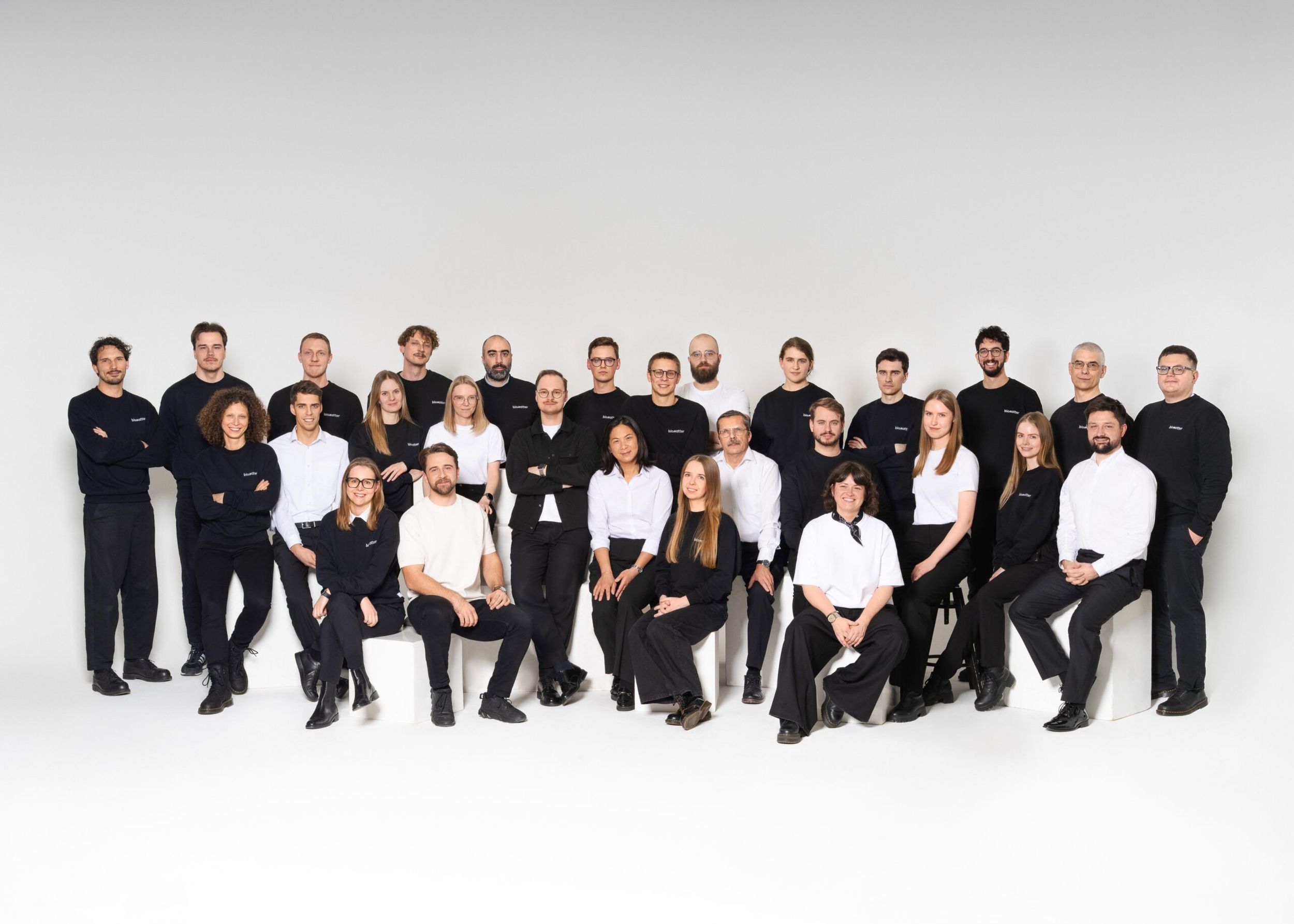
1. Biomatter
Biomatter designs custom enzymes and other proteins for healthcare, food, research tools and industrial applications. Its Intelligent Architecture platform combines generative AI, physics-based modelling and laboratory validation to design proteins with defined performance and manufacturability characteristics.
Biomatter closed a €6.5 million seed round in 2024, following work with customers including Thermo Fisher Scientific, BASF and Neogen. In January 2026, it became the first Baltic company to join the AstraZeneca BioVentureHub.
By combining computational science with molecular biology, Biomatter shows how products can be developed in Lithuania for global industries. For investors and partners, it highlights the commercial potential at the intersection of AI and life sciences. Read more about AI-powered protein design in Lithuania.
© BIOMATTER
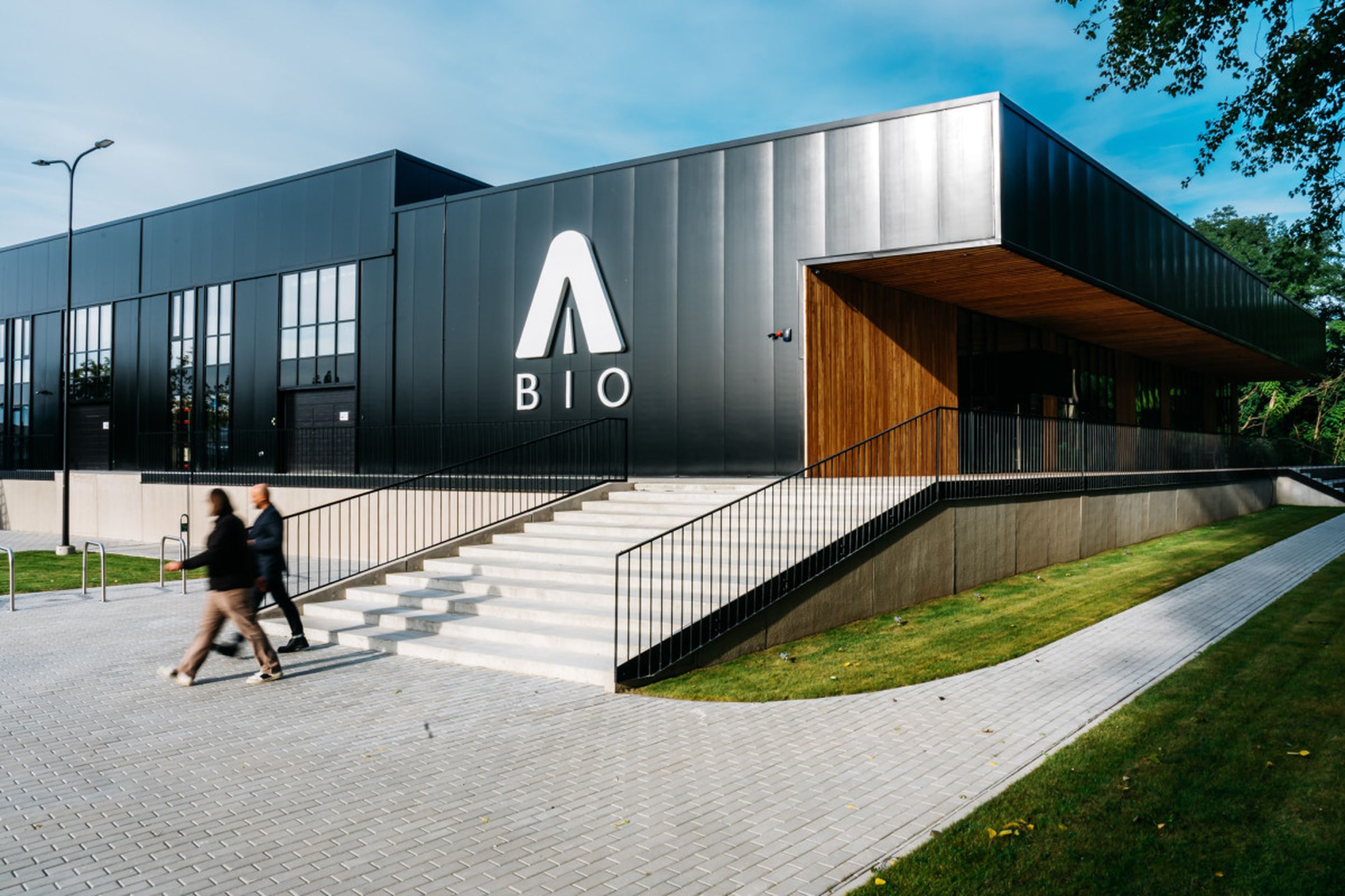
2. Atrandi Biosciences
Atrandi Biosciences develops instruments, consumables and workflows for high-throughput single-cell analysis. Its semi-permeable capsules isolate individual cells or nucleic acids while allowing smaller molecules to pass through, enabling multi-step workflows without losing single-cell resolution.
Atrandi raised a $25 million Series A led by Lux Capital in 2025. At the time, its platform was used by more than 200 research labs worldwide, and the funding was earmarked for product development and expansion in the United States.
Atrandi shows how specialised research technology can be developed in Lithuania and commercialised globally. Its combination of local R&D, international capital and overseas customers is relevant to companies considering Lithuania for scientific instrumentation or genomics product development.
© Atrandi Biosciences
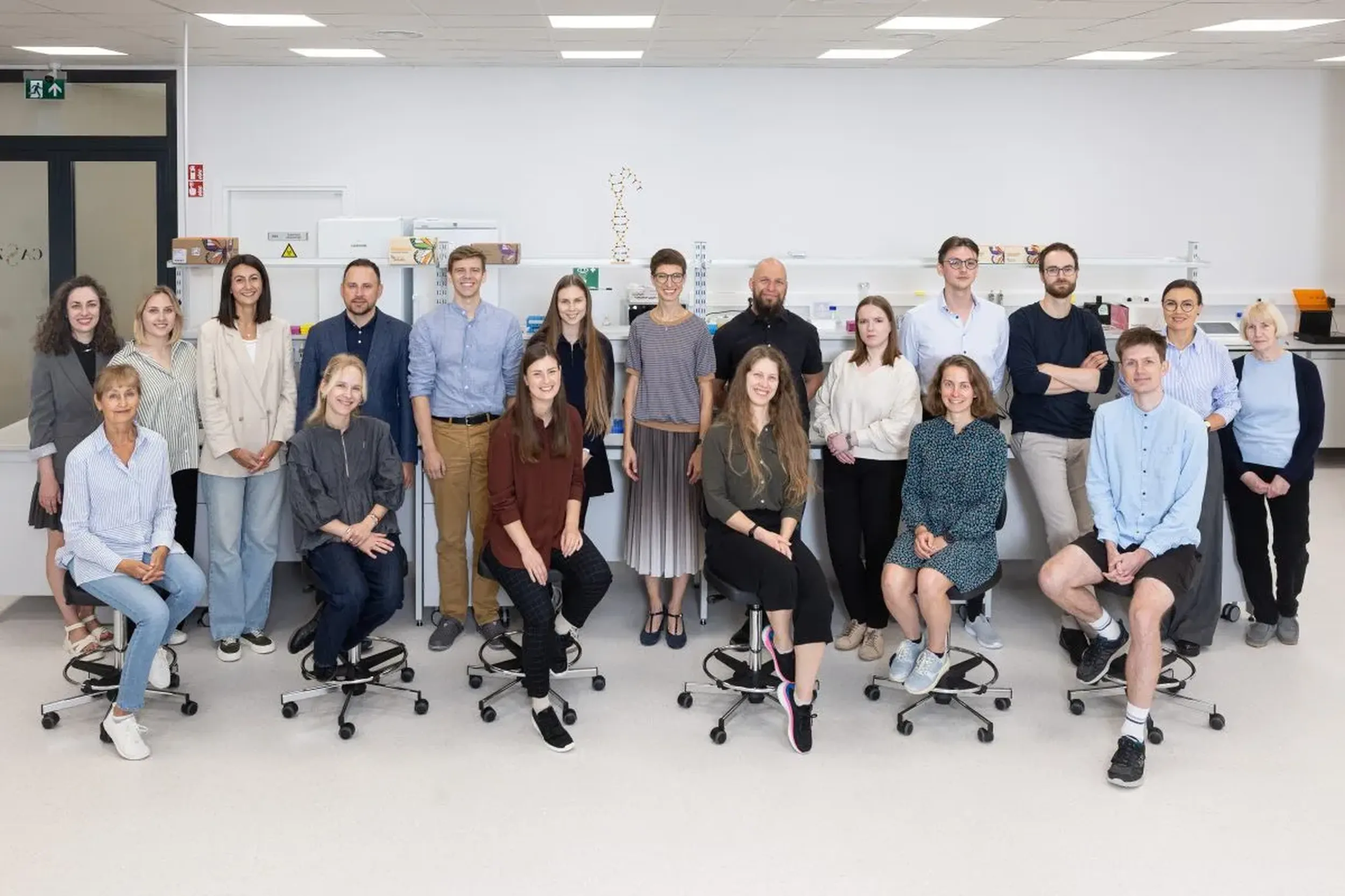
3. Caszyme
Caszyme develops CRISPR tools for therapeutics, diagnostics, agriculture, research and industrial biotechnology. Its work covers nuclease discovery, protein engineering and mRNA optimisation, while its Cas12l platform includes compact nucleases intended to support efficient delivery and precise gene editing.
In 2026, Caszyme published peer-reviewed research on its engineered M82 nuclease in The CRISPR Journal and joined a €1 million Eurostars-funded consortium developing a delivery method for nucleic-acid therapies. CEO Giedrius Gasiūnas said the company aims to move genome-editing technologies “beyond promise and into practical use”.
Founded by scientists involved in early CRISPR-Cas9 research, Caszyme shows how university expertise can become commercially relevant intellectual property. Its model combines research partnerships, licensing and specialist services, creating several routes to international collaboration.
© Caszyme
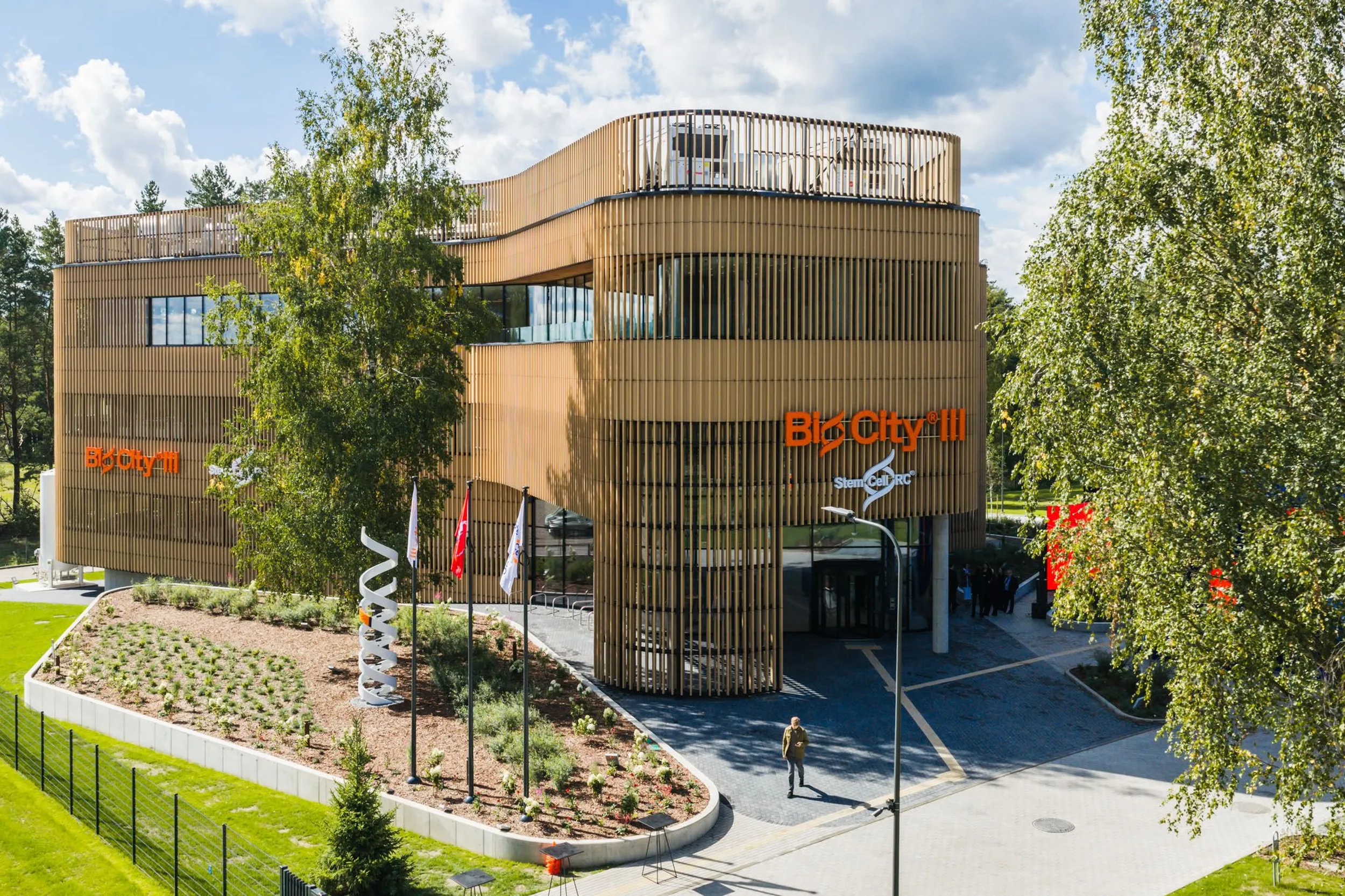
4. Northway Biotech
Northway Biotech is an end-to-end CDMO for protein biologics, gene therapy and advanced therapies. It provides cell-line and process development, regulatory and analytical support, and cGMP manufacturing from preclinical programmes through to commercial supply.
In September 2026, Northway Biotech opened a €61 million, 3,500-square-metre Cell Therapy and Personalized Medicine CDMO in Vilnius. The facility offers up to 20 independent cGMP manufacturing lines, began operations with customer programmes already secured and is expected to bring together around 100 life sciences professionals.
Northway gives international biopharma companies access to development and regulated manufacturing in Lithuania across biologics, gene therapy and cell-based technologies. The project shows how Lithuania’s biotech industry is adding commercial-scale capacity for advanced therapies.
© Northway Biotech
5. Pentasweet
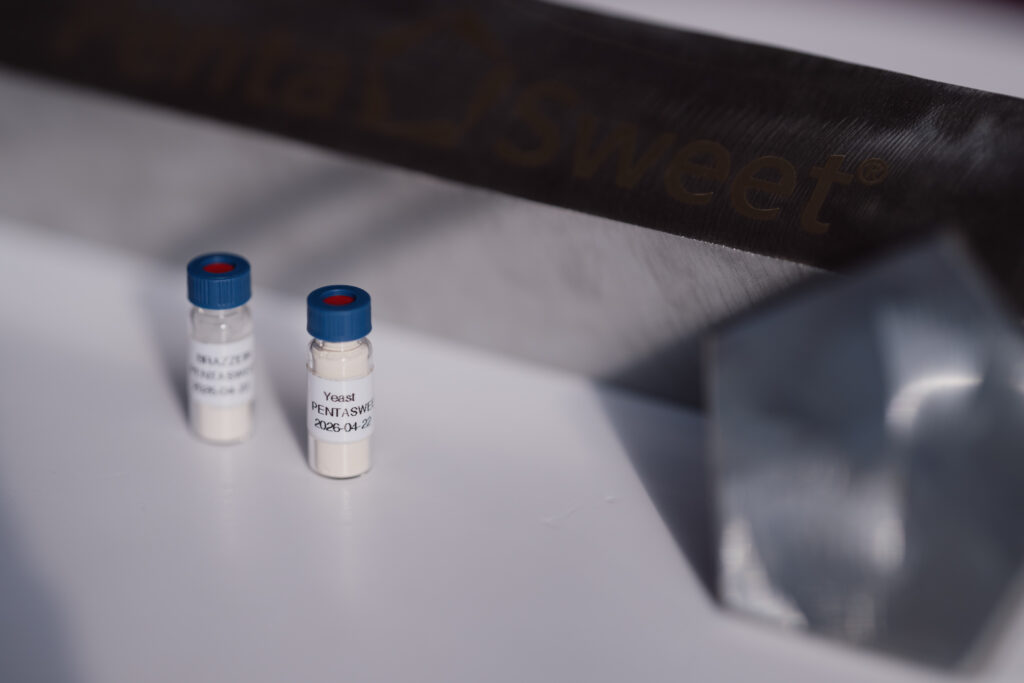
Lithuanian company Pentasweet is developing brazzein, a high-intensity sweet protein for food and beverage manufacturers. It uses precision fermentation to produce the protein; the facility now under construction is intended to take production to industrial scale. Brazzein is up to 1,500 times sweeter than sugar, so formulations require comparatively small quantities.
Pentasweet is building a €65 million facility of more than 8,000 square metres in Vilnius. By April 2026, construction had reached the foundation stage; operations are expected in the first half of 2027, with around 30 skilled jobs planned. The project has major investment project status and is partly financed by ILTE.
Pentasweet shows Lithuania can support capital-intensive industrial biotechnology through sites, engineering talent and project finance. The project is also a practical example of a science-based product moving towards commercial manufacturing. Read more in Inside Pentasweet’s €65M bet on brazzein.
© Pentasweet
What these companies reveal about Lithuania’s biotech industry
Lithuania’s biotech industry is not concentrated in a single technology or stage of development. These companies reveal a value chain extending from university-linked science and enabling research tools to regulated biomanufacturing and industrial production. Biomatter shows how digital capabilities can be combined with molecular biology, Atrandi brings engineering into single-cell research, and Caszyme illustrates how academic expertise can generate globally relevant intellectual property.
Equally importantly, biotech in Lithuania is moving beyond discovery. Northway provides cGMP capacity for biologics and advanced therapies, while Pentasweet is translating precision fermentation into a large industrial project. This means that more of the development journey – from research and validation to scale-up – can take place within the same ecosystem. Lithuania’s science and innovation parks support that continuity by connecting companies with laboratories, research institutions and sites for expansion.
Why Lithuania is relevant for biotech investment and expansion
Lithuania’s strong biotech proposition is the concentration of research, product development and manufacturing capabilities within a compact ecosystem. Biomatter, Atrandi and Caszyme show that companies can combine life-science expertise with AI, microfluidics and gene-editing research, then validate their technologies through international customers, investors and partners.
Northway Biotech and Pentasweet demonstrate a second route: moving from R&D into regulated or industrial-scale production in Vilnius. For international companies, this creates opportunities to access technology, establish R&D teams, outsource advanced manufacturing or build new capacity within the EU.
Practical support can further reduce the complexity of expansion. Invest Lithuania assists with locations, talent and public-sector coordination, while qualifying projects may use the Investment Highway for streamlined procedures and potential incentives.
Explore biotechnology opportunities in Lithuania
Together, these biotech companies in Lithuania span AI protein design, CRISPR, single-cell analysis, biologics and precision fermentation, from research to commercial scale-up. For organisations assessing biotechnology opportunities in Lithuania, the ecosystem offers potential partners, talent and manufacturing capacity within the EU.
FAQ
-
What are the leading biotech companies in Lithuania?
-
What areas of biotechnology is Lithuania known for?
Lithuania has capabilities in gene editing, molecular biology tools, personalised medicine, biologics, cell and gene therapies, microfluidics, AI protein engineering and industrial biotechnology. The ecosystem extends from university research and biotech startups to regulated cGMP manufacturing and commercial precision fermentation.
-
Is Lithuania a biotech hub in Europe?
Lithuania is a European biotech hub with strengths in molecular biology, gene editing and biomanufacturing. Its ecosystem brings together university expertise, international manufacturers, local technology companies and expanding infrastructure. The Vilnius University-EMBL partnership also connects Lithuanian research to the wider European life sciences network.
-
Why are biotech companies investing in Lithuania?
Biotech companies are attracted to Lithuania by its scientific, engineering and digital talent, research partnerships, EU market access and expanding manufacturing infrastructure. Qualifying projects can also receive practical support with site selection, permitting, workforce planning and investment incentives, subject to eligibility.
-
Does Lithuania have biomanufacturing and gene therapy capabilities?
Yes. Northway Biotech operates biologics, gene-therapy and cell-therapy manufacturing capacity in Vilnius, including its newly opened personalised-medicine centre. Pentasweet is building a commercial precision-fermentation plant, while Teva and Thermo Fisher Scientific provide established global manufacturing capabilities serving international life-science markets.

Enjoy reading our news?

Want to learn more about the latest updates?
Invest Lithuania is here to keep you informed about the latest news, opportunities, and developments shaping Lithuania’s business landscape. If you have any questions or would like more details, feel free to contact us—we’re here to provide the insights you need.
- Share now:
-

-

-

-
