


- Follow us!
-

-

-

-

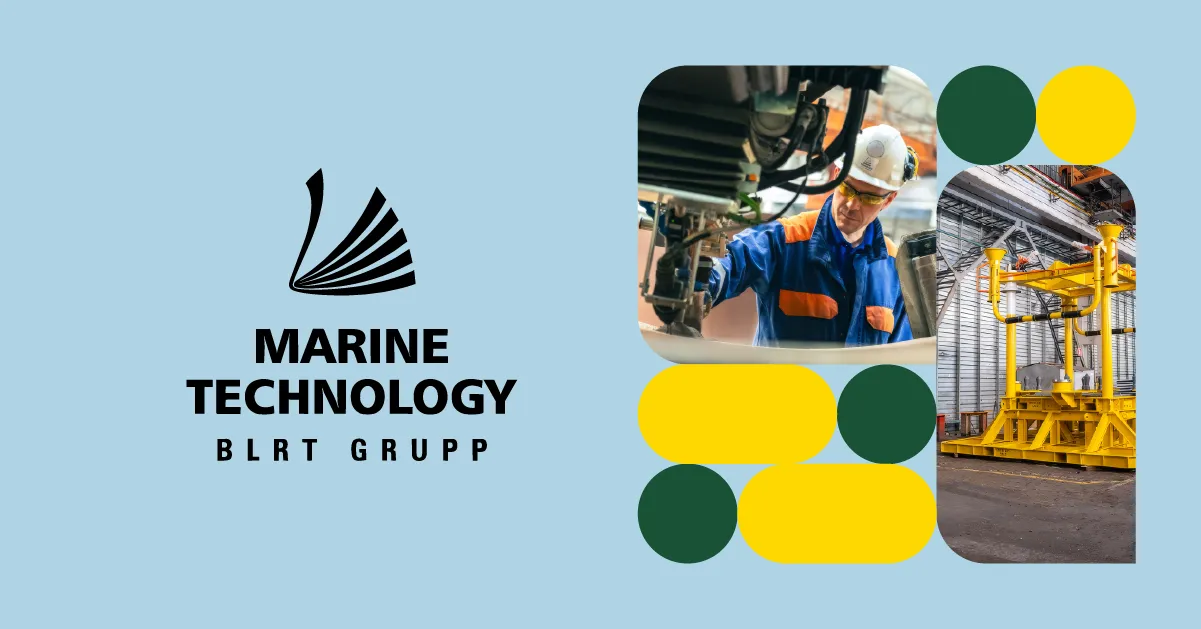
Marine Technology, part of the Western Shipyard Group and a specialist in large-scale cable-handling equipment for the global energy and marine sectors, is investing €15 million to expand its manufacturing operations at Klaipėda Seaport. The expansion will add advanced robotic welding capabilities and modernized production facilities, enabling the company to scale up output of modular and composite equipment for offshore and onshore renewable energy projects.
As part of the Western Shipyard Group, Marine Technology operates within a well-established maritime engineering ecosystem. The group itself is part of BLRT Group, a Baltic industrial holding with more than a century of heritage, over 25 subsidiaries, and 3.500 employees across the region.
Marine Technology specializes in engineering, manufacturing and maintenance highly complex structural steel components and bespoke cable-handling solutions – carousels, turntables, reels, and deck equipment – for offshore energy, oil and gas, and subsea applications. Its design combines steel and composite materials to reduce weight, improve durability, and increase corrosion resistance compared to conventional approaches. Company already exports to Western Europe, the United States, South America, Africa, with plans to enter high-growth regions.
Innovation, applied knowledge, and deep technical expertise are central to Marine Technology’s operations and guide the strategic direction of the entire Western Shipyard Group. On a corporate level, the Group provides scholarships to support the next generation of engineers, while Marine Technology collaborates with Klaipėda University, Vilnius Gediminas Technical University, and Kaunas University of Technology on R&D and product development.
Investments in advanced welding solutions, 3D scanning, laser manufacturing and measurement systems, digital planning and engineering tools have enabled faster, higher-quality production while reducing CO₂ emissions by approximately 30%.
As part of its development plans, the company will hire design and production engineers, robotic welding operators, manufacturing engineers, project managers, design engineers and qualified welders. Some positions will require higher education degrees, while others will require vocational qualifications and industry-specific certifications. Over the next three years, the company plans to create 25 new jobs across these areas.
Elijus Čivilis, General Manager of Invest Lithuania, highlights Klaipėda’s growing role as an engineering hub:



Invest Lithuania is here to keep you informed about the latest news, opportunities, and developments shaping Lithuania’s business landscape. If you have any questions or would like more details, feel free to contact us—we’re here to provide the insights you need.


